

GRE Prep Club Daily Prep
Thank you for using the timer - this advanced tool can estimate your performance and suggest more practice questions. We have subscribed you to Daily Prep Questions via email.
Customized
for You
Track
Your Progress
Practice
Pays
Not interested in getting valuable practice questions and articles delivered to your email? No problem, unsubscribe here.

The (i) _______ of the word assassin is (ii) _______ in philological c
[#permalink]
 28 Apr 2023, 02:16
28 Apr 2023, 02:16
Expert Reply
5
Bookmarks


00:00
Question Stats:
 33% (01:18) correct
66% (01:10) wrong based on 102 sessions
33% (01:18) correct
66% (01:10) wrong based on 102 sessions
Hide Show timer Statistics
The (i) _______ of the word assassin is (ii) _______ in philological circles, as the word comes from a sect of brutal killers believed to have smoked the drug hashish before going on a mission. The topic is equally attractive to historians, as the (iii) _______ of the sect, which dates to before the First Crusade in the 11th century, remains a mystery.
| Blank (i) | Blank (ii) | Blank (iii) |
|---|---|---|
| A. introduction | D. notorious | G. provenance |
| B. derivation | E. unheralded | H. legend |
| C. circumlocution | F. enigmatic | I. bane |


Re: The (i) _______ of the word assassin is (ii) _______ in philological c
[#permalink]
29 Apr 2023, 21:28
29 Apr 2023, 21:28
Carcass Is there an option to filter solved and unsolved questions. It shows the timer or color of line changes when solved. But it will be great to have an option to filter for solved/unsolved like hard/easy/medium
Re: The (i) _______ of the word assassin is (ii) _______ in philological c
[#permalink]
29 Apr 2023, 22:28
29 Apr 2023, 22:28
2
Expert Reply
1
Bookmarks
On top you have unanswered questions ALL of them, both quant and verbal, there is teh case that could be more than one page
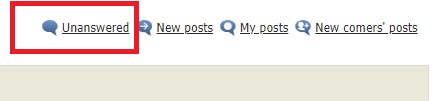
screenshot.1285.jpg [ 9.33 KiB | Viewed 4229 times ]
Or if you want only TC, for example, go under TC section https://gre.myprepclub.com/forum/text-completion-16/ and sort the questions on top by replies
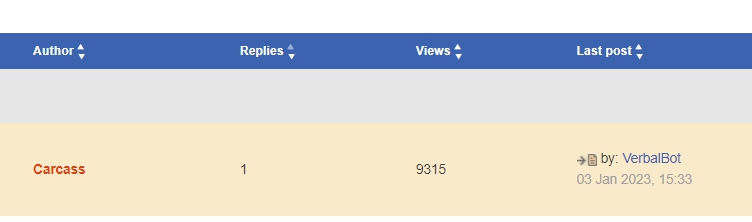
screenshot.1286.jpg [ 29.18 KiB | Viewed 4284 times ]
it will sort you the questions unanswered first
I hope this will help you. I do not know other options but I think it is the most we have for this platform
Attachment:
screenshot.1285.jpg [ 9.33 KiB | Viewed 4229 times ]
Or if you want only TC, for example, go under TC section https://gre.myprepclub.com/forum/text-completion-16/ and sort the questions on top by replies
Attachment:
screenshot.1286.jpg [ 29.18 KiB | Viewed 4284 times ]
it will sort you the questions unanswered first
I hope this will help you. I do not know other options but I think it is the most we have for this platform